

Good Friday Update: Inflation, sales, rates
Question of the week: No question or answer this week, but a brief update.
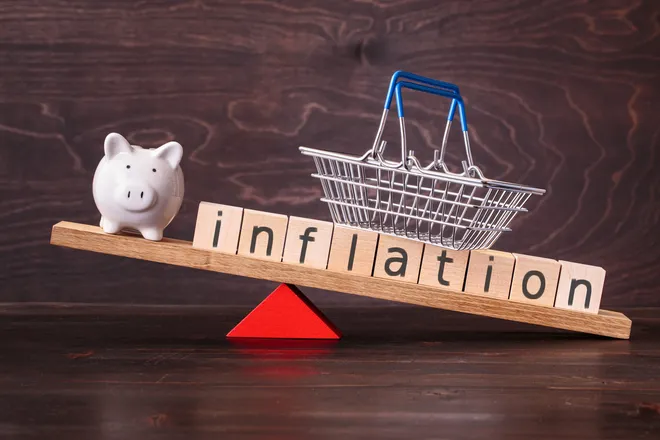
Inflation continues to climb. The Consumer Price Index for March climbed 1.2% from February, the most in one month since the aftermath of Hurricane Katrina in 2005. Year over year the rate of inflation is 8.5%, the highest since 2002. Gas drove the index, up 18% for the month of March, and food prices rose 1%. Looking forward, food prices can expect to continue to have a high rate of inflation.
Ukraine, Russia, and fossil fuels are impacting our higher food costs. Ukraine and Russia are major grain exporters, with their decline in ability to export the decline in supply worldwide impacts domestic prices as well since our farmers are faced with selling grain domestically or exporting to a higher price market. Agriculture is dependent on fossil fuels in two major ways. The first is most obvious, the running of farming equipment and transportation of products to market. The second may not be as well known, fertilizer. Fertilizer is petroleum based, one of the many distillates from refining. With fossil fuel prices surging there is an obvious impact on the cost of growing and delivering fruits, vegetables, meat to our tables.
Some positive news can be gleamed from the CPI data. The “core” rate of inflation grew the least amount in the past six months. The core rate of inflation is the gross CPI less food and energy costs. This is the rate that Federal Reserve focusses on as food and energy costs are very volatile, taking those out of the data provides a more stable and “smooth” set of data to analyze. The core rate was 0.3% for March, almost 1% lower than the primary CPI rate that includes food (+1%) and energy (+18%). With the growth of the core rate slowing, there is positive expectations that inflation may be peaking soon.
Wages have increased the most in four decades. However, “real wages,” wage increases adjusted for inflation, dropped 0.8% in March. When inflation outpaces wage increases so dramatically the impact reverberates through the economy as the exponential impact of inflation makes shopping for needs and necessities take bigger bites out of net pay.
This impact is showing in retail sales. March saw an increase of 0.5% in retail sales from February. As has been stated in past WR&MU’s, retail sales are based on dollar volume not unit volume. Therefore, the 0.5% increase is heavily influenced by increased prices due to inflation. Adjusting for the increase in CPI, retail sales were down 0.7%.
Looking forward, the market is prepared for the Fed to increase its benchmark rate by 0.5% (one-half of one-percent) next month, as opposed to the traditional 0.25%, this increase has been priced into mortgage rates.
Have a question? Ask me!
Rates for Friday April 15, 2022: Markets are closed today, and as usual for a long weekend rates climbed a bit in the final day of trading yesterday. The increase off-set some reduction in rates earlier in the week. The result is the 30-year conforming rate is the same as last Friday and the high-balance rate is down slightly.
FIXED RATE MORTGAGES AT COST OF 1.25 POINTS LOCKED FOR 45 DAYS FOR PURCHASE TRANSACTIONS:
30-year conforming 4.875% Flat
30-year high-balance conforming 5.50% Down 0.125%
Please note that these are base rates and adjustments may be added for condominiums, refinances, credit scores, loan to value, no impound account and period rate is locked. Rates are based on 20% down with 740 FICO score for purchase mortgages.

This is a lot different than Good Friday’s past when it marked the start of the girls Spring Break holiday and we would either be travelling today, or prepared to travel over the weekend. For those still in the Spring Break schedule with your children, I wish you happy and safe travels wherever you go!
Happy Easter,
Dennis
Past Weekly Rate & Market Updates can be found on my blog page at my website www.DennisCSmith.com/my-blog


